
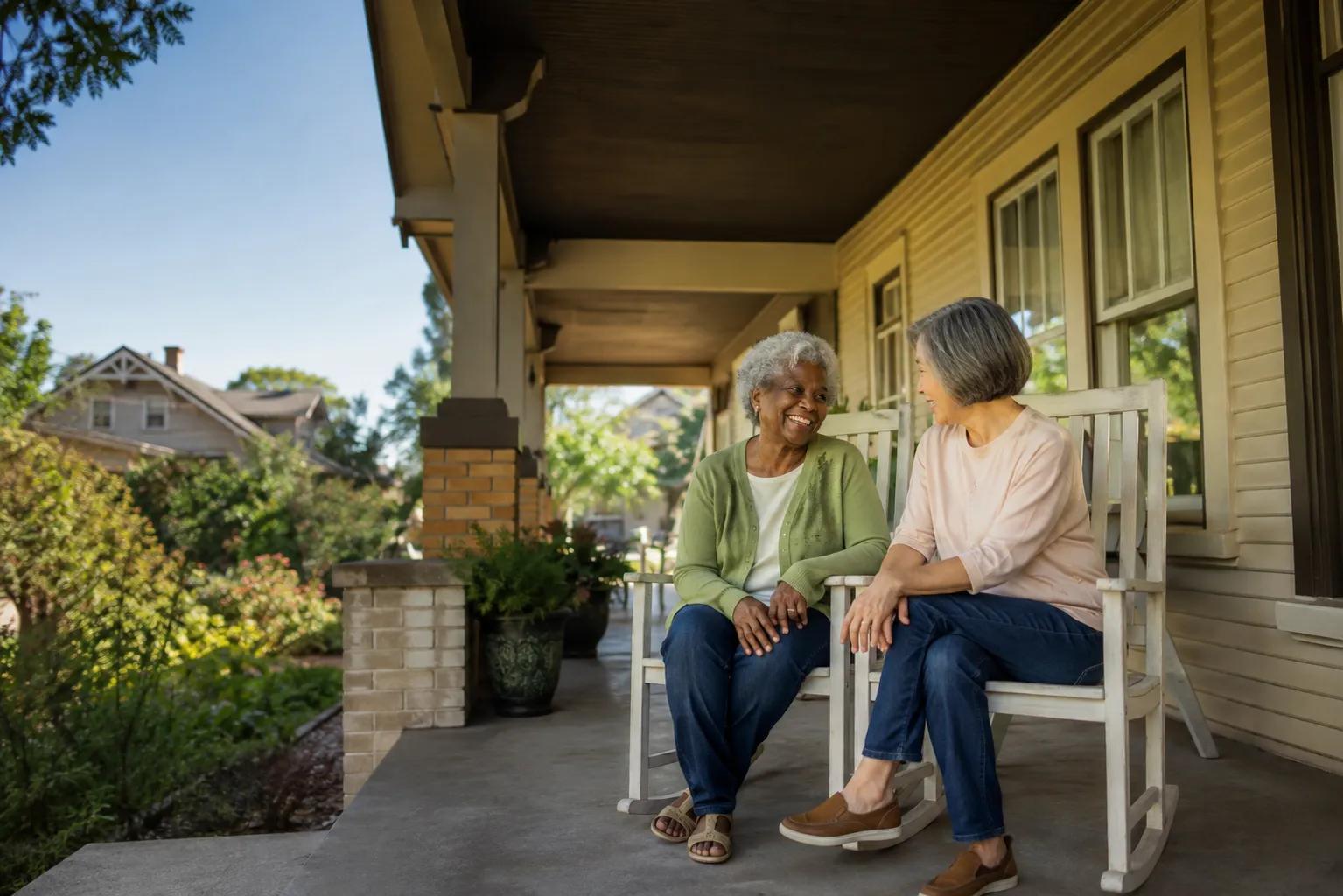
Quick Answer: Loneliness and social isolation in seniors raise the risk of depression, anxiety, poor sleep, and faster memory decline. Loneliness is the painful feeling of being alone, while isolation is a real lack of contact with other people, and either one can harm mental health. The best response is to spot the signs early and rebuild regular, meaningful connection.
A widowed father starts answering the phone less often. A mother who once hosted every holiday now turns down invitations. Loneliness and social isolation in seniors often begin this quietly, and by the time a family notices, months of withdrawal may have passed.
This post explains what loneliness and isolation really are, how they affect mental and physical health, which warning signs to watch for, and what actually helps. Whether you are a senior thinking about your own life or an adult child worried about a parent, you will find practical steps here.
At Geezer Guide, we see mind and body health as one connected thing. Social connection sits right in the middle of both.
What Is the Difference Between Loneliness and Social Isolation?
Loneliness is a feeling. Social isolation is a measurable lack of contact with other people. A senior can have one without the other, and the two often feed each other.
Someone who lives alone but talks with family every day may be isolated by some measures and still not feel lonely. Another person in a busy household can feel deeply lonely because nobody truly listens. That is why asking how someone feels matters as much as counting their visitors.
| Loneliness | Social Isolation | |
|---|---|---|
| What it is | A painful feeling of being disconnected | A real shortage of social contact |
| Can it happen in a crowd? | Yes | Rarely |
| How you notice it | Mood, comments, withdrawal | Few visits, calls, or outings |
| Main fix | Deeper, more meaningful connection | More regular contact and access |
Why Are Seniors More Likely to Feel Lonely?
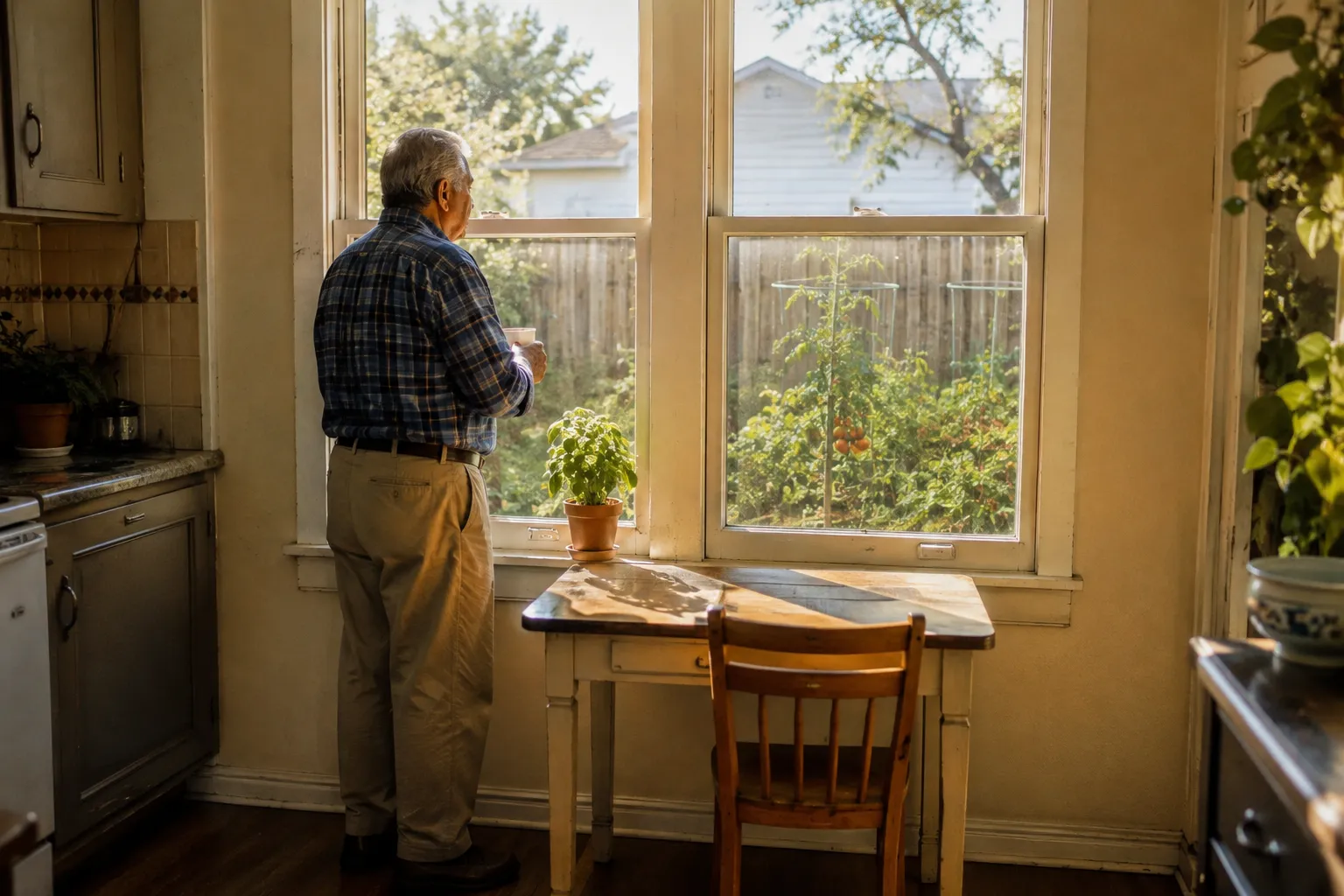
Seniors face more lonely stretches because life changes pile up at the same time. Loss, health changes, and fewer daily reasons to leave home all shrink a person's circle.
- Loss of a spouse, siblings, or close friends
- Retirement, which ends daily contact with coworkers
- Hearing loss or vision changes that make conversation tiring
- Giving up driving, which limits spontaneous outings
- Chronic pain or mobility problems that make leaving home hard
- Moving away from a longtime neighborhood or community
None of these causes loneliness alone. Together, they can turn a full social calendar into an empty one within a year or two.
How Do Loneliness and Social Isolation Affect Seniors' Mental Health?
Loneliness and social isolation affect seniors' mental health by raising the risk of depression, anxiety, sleep problems, and cognitive decline. The effects build slowly, which is why they are easy to miss.
Depression and Anxiety
Lonely seniors are more likely to develop depression. Without daily conversation, negative thoughts go unchallenged and small worries grow.
Anxiety can rise too, especially about health, safety, and being a burden. Some seniors then avoid people even more, which deepens the cycle.
Memory and Thinking
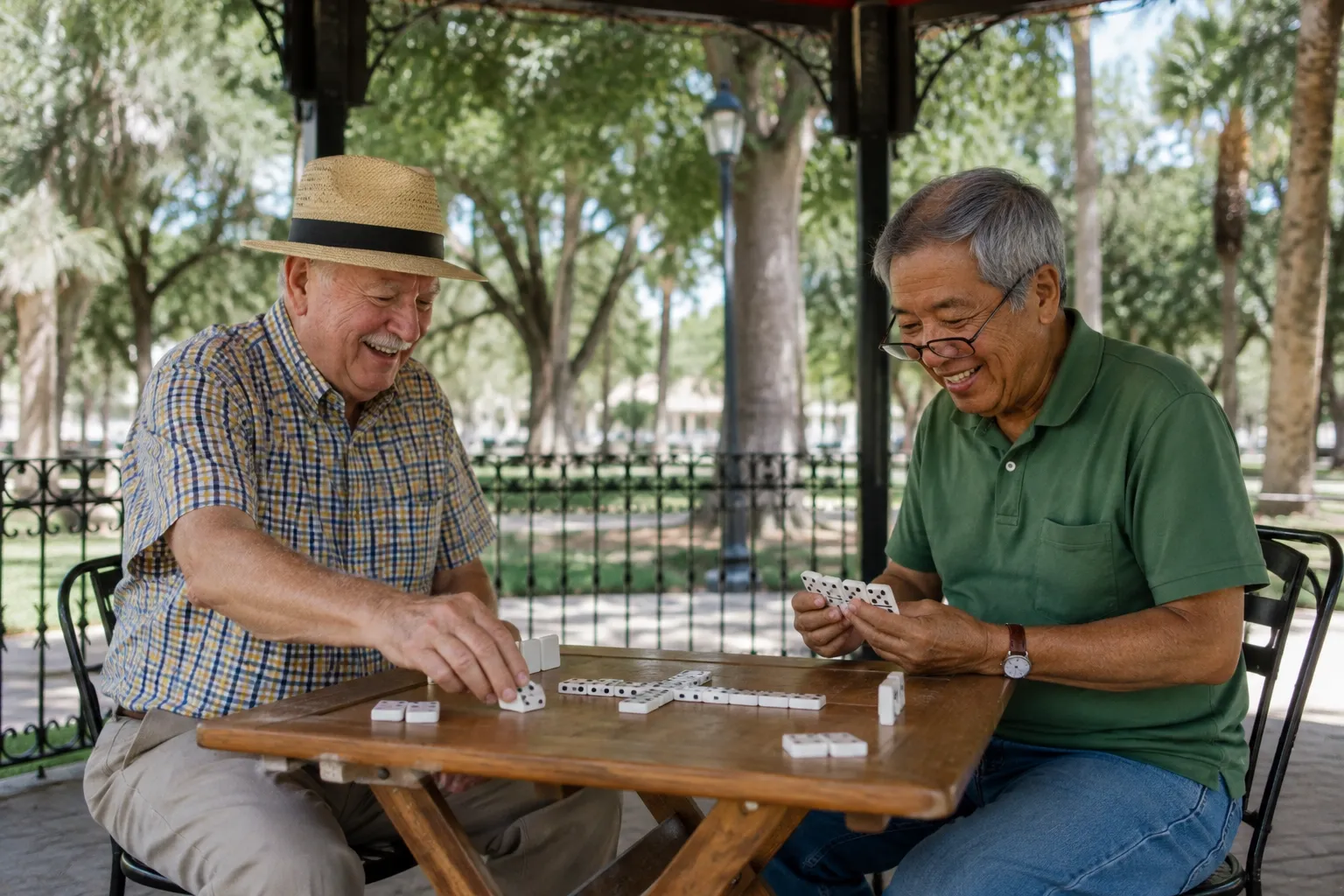
The brain stays strong with use. Conversation, humor, and shared activities exercise attention, language, and memory all at once. When those daily workouts disappear, thinking can slow.
Long-term isolation is linked to a higher risk of cognitive decline. For seniors already showing memory changes, it can make symptoms look worse than they are.
Sleep, Stress, and Physical Health
Loneliness keeps the body in a mild state of stress. Seniors who feel alone often sleep poorly, skip meals, move less, and forget medications more easily.
Poor sleep and poor nutrition then weaken mood and memory further. This is the mind and body link in action.
Hopelessness and Self-Worth
Over time, some seniors start to feel they no longer matter. If your loved one talks about being a burden, not wanting to go on, or having no reason to get up, take it seriously.
Contact their doctor promptly. If you believe they are in immediate danger, call your local emergency number right away.
What Are the Warning Signs of Loneliness in an Older Adult?
The most common warning signs are withdrawal from usual activities, changes in mood, and changes in daily habits. One bad week is not a pattern. Several signs lasting two weeks or more deserve attention.
- Declining invitations or dropping hobbies they once enjoyed
- Short phone calls, or avoiding calls altogether
- Irritability, tearfulness, or a flat mood
- Changes in sleep, appetite, or weight
- Neglecting personal care or housekeeping
- Clinging to visitors or talking nonstop, which can signal a hunger for company
- Increased forgetfulness or confusion
For example, imagine your mother, Margaret, lost her husband last spring. She used to attend a weekly card game, but a friend drove her there, and that friend recently moved away. She tells you she is fine, yet her refrigerator is nearly empty and she sleeps until noon.
Nothing dramatic happened. A few small barriers added up to isolation, and her mood followed.
How Can You Help a Lonely Senior Reconnect?

The most effective way to help a lonely senior is to create regular, low-pressure contact tied to something they enjoy. Frequency and meaning matter more than grand gestures.
Start With Small, Predictable Contact
A short call at the same time each day beats a long visit once a month. Video calls help when distance is a problem, though some seniors need patient setup and practice first.
Remove Practical Barriers
Ask what stops them from going out. It may be transportation, hearing difficulty, fear of falling, or embarrassment. Fixing one barrier, such as arranging rides or getting a hearing check, can reopen a whole social world.
Rebuild a Sense of Purpose
People stay connected when they feel needed. Volunteering, gardening groups, faith communities, book clubs, and teaching a skill to a grandchild all give a reason to show up.
Bring in Their Doctor
Persistent sadness is a health issue, not a personality flaw. A doctor can check for depression, hearing or vision problems, medication side effects, and other conditions that mimic low mood. Treatment and social support work best together.
When Can Senior Living Help With Loneliness?
Senior living can reduce loneliness when it gives a person daily contact, shared meals, and activities without requiring them to arrange everything alone. It works best when the community fits the person's personality and needs.
Many assisted living facilities offer group dining, outings, exercise classes, and staff who check in every day. For seniors with dementia, memory care facilities provide structured activities built around cognitive ability, which can restore connection for people who struggle in ordinary social settings.
The downside is that moving does not guarantee friendship. A community that is too large, too quiet, or poorly matched to a person's interests can leave them just as lonely, only in a new building.
Visit at different times of day, share a meal, and watch how residents and staff interact. Ask whether activities are truly attended, not just listed on a calendar.
If you are unsure what level of support fits,understand your care options before making any decision. The senior care resources section can also help you compare choices at your own pace.
Frequently Asked Questions
Can loneliness cause dementia?
Loneliness does not cause dementia on its own, but long-term isolation is linked to a higher risk of cognitive decline. Social contact keeps the brain active, so losing it can speed up existing memory problems. If you notice memory changes, ask a doctor for an evaluation.
How can I tell if my parent is lonely or just enjoys being alone?
Look at mood and habits, not just time spent alone. A senior who is content alone usually stays active, eats well, and keeps in touch on their own terms. A lonely senior often seems sad, withdrawn, or restless, and may mention feeling forgotten.
How often should I contact a senior parent who lives alone?
Brief daily contact is ideal if you can manage it, even a two minute call or text. Add a longer visit or video chat each week. Consistency matters more than length.
What if my parent refuses help or says they are fine?
Do not argue. Ask open questions, offer choices, and suggest trying something just once. Many seniors say yes to an activity that feels like their own idea or that helps someone else.
Final Thoughts
Loneliness and social isolation in seniors are not a normal part of aging, and they are not a personal failing. They are health risks that respond well to attention.
Remember three things. First, the feeling and the lack of contact are different problems, so ask and observe. Second, early signs such as withdrawal and changes in sleep or appetite deserve action. Third, small, regular, meaningful contact often works better than big gestures.
Ready to see what daily community life could look like? Browse verified listings on Geezer Guide and compare options.