

The clearest red flags in an assisted living facility are high staff turnover, unpleasant odors, disengaged or isolated residents, and vague answers about pricing or care plans. If a community feels rushed, dirty, or evasive during your tour, trust that instinct. A closer look at staffing, safety features, and resident engagement will tell you far more than any brochure.
Touring an assisted living facility is not like touring an apartment. You are evaluating whether a place will care for someone you love when you are not in the room. The lobby can look beautiful and the staff can smile the whole time, and the facility can still be the wrong choice.
Most families do not know what to look for beyond the obvious. This guide walks through the specific warning signs worth watching for, from your first phone call to your final walk-through, so you can make a decision based on facts instead of a polished sales pitch.
What Are the Most Common Red Flags at an Assisted Living Facility?
The most common red flags are staff who seem stressed or disengaged, strong odors that suggest poor hygiene management, residents who look isolated or unkempt, and staff who dodge direct questions about cost. These signs tend to cluster together. A facility with one of these problems often has several.
Trust your gut on your first visit. If something feels off the moment you walk in, that reaction is usually based on real cues your brain picked up before you consciously noticed them. Walk through slowly. Look at the floors, the walls, and the residents' faces, not just the furniture in the lobby.
Ask to see the dining room during an actual meal, not just an empty room on a tour. Food quality and the pace of service tell you a lot about how a facility treats daily life, not just emergencies. If residents are rushed through meals or left waiting a long time for help, that pattern usually extends to other parts of their care.
How Can You Tell if Staff Are Overworked or Undertrained?

You can tell staff are overworked by watching how quickly they respond to call lights and how they speak to residents when they think no one important is watching. Rushed, short, or irritated interactions are a warning sign, even if the words themselves sound polite.
Watch the Call Light Response Time
Ask what the average response time is for a call button, and then watch it happen during your visit. Most facilities should answer routine calls within three to eight minutes. If you see a light blinking for fifteen minutes with no response, that is not a one-time fluke. It is a staffing problem.
Ask About Staff-to-Resident Ratios
Ask directly how many caregivers are on duty during the day shift, evening shift, and overnight shift, since overnight staffing is where many facilities cut corners. A facility that hesitates to give you a straight number is telling you something.
High turnover matters too. If the same staff show up on repeat visits at different times, that consistency builds trust and familiarity with residents. If you meet a different aide every time you call, ask why.
What Do Unsafe or Unsanitary Conditions Look Like?
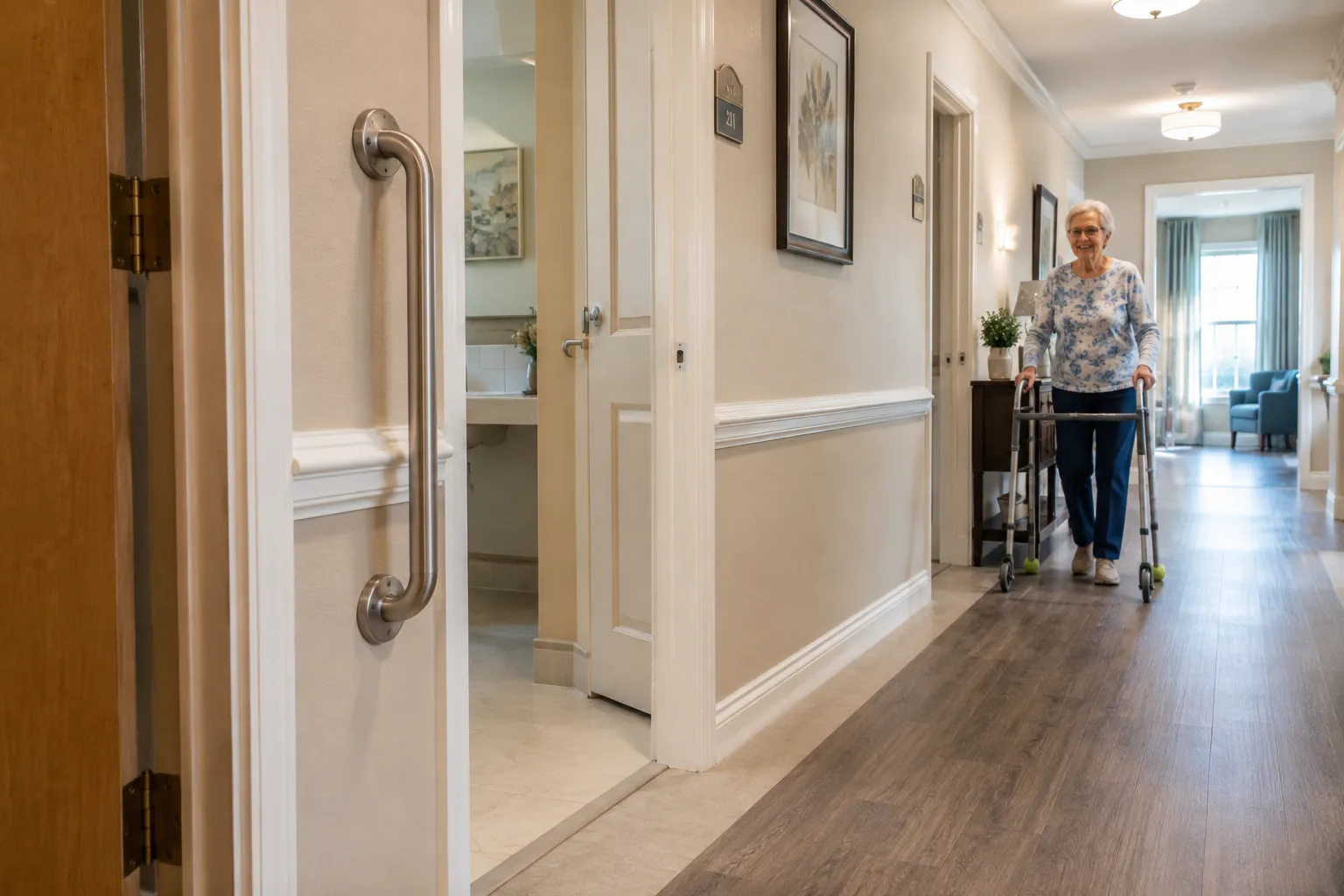
Unsafe or unsanitary conditions include missing grab bars, non-slip flooring that is actually slick, unlocked or unmonitored exits, and persistent odors of urine or mold in common areas. A facility that smells strongly of air freshener on the day of your scheduled tour may be masking a daily problem.
Walk the hallways outside the model unit they want to show you. Look at the flooring near bathrooms, check whether exits require a code or badge, and notice whether hallways are cluttered with equipment or laundry carts. These details tell you what an average Tuesday looks like, not just your tour day.
How Do You Know if a Facility Is Hiding Financial Red Flags?
You know a facility may be hiding financial red flags when they avoid a written breakdown of costs, quote a base rate that excludes most care services, or pressure you to sign before you have time to review the contract. The monthly rate you are quoted is usually just the starting point.
Ask for a full list of what triggers additional fees, such as medication management, mobility assistance, or incontinence care. A facility with nothing to hide will hand this to you without hesitation. One that stalls, changes the subject, or gives you a verbal estimate instead of a written one is worth a second look.
For example, if a facility quotes four thousand dollars a month but your mother needs help with bathing, dressing, and medication reminders, the real cost could run well above six thousand once care levels are added. Get every tier in writing before you sign anything.
Normal Adjustment Signs vs Real Warning Signs
Families often worry that normal adjustment looks like neglect. Here is a simple way to tell the two apart.
| Category | Normal Adjustment | Real Warning Sign |
|---|---|---|
| Mood | Occasional homesickness in the first weeks | Persistent withdrawal, fear of specific staff |
| Weight | Small appetite changes early on | Ongoing weight loss or dehydration |
| Hygiene | Occasional missed hair appointment | Repeated unwashed clothing or body odor |
| Staff | New faces as they settle in | Same complaints ignored across multiple visits |
This isn't a diagnostic tool, and every resident adjusts differently. If you see a pattern in the right-hand column over several visits, it is time to escalate the conversation with administration.
When Does a Loved One Need Memory Care or Skilled Nursing Instead?
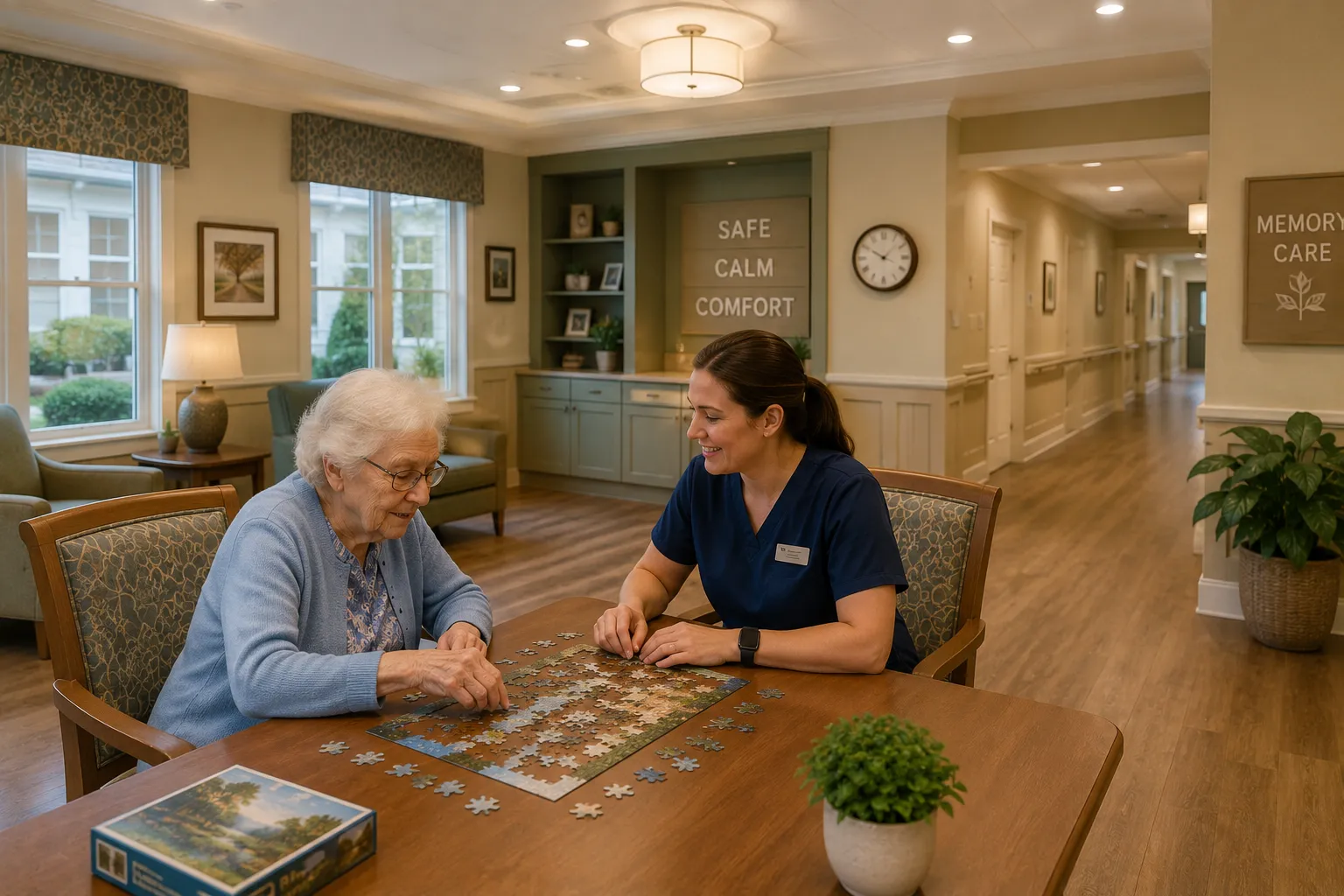
A loved one may need a higher level of care when an assisted living facility can no longer safely manage their memory loss, mobility needs, or medical complexity. Standard assisted living is not built for advanced dementia care or round-the-clock medical monitoring.
If your parent is wandering, forgetting to eat, or becoming agitated at sundown, it may be time to look into senior memory care facilities that specialize in dementia-safe layouts and trained staff. Communities offering memory senior care facility programs typically have secured entrances, structured routines, and staff trained specifically in redirection techniques rather than restraint.
On the medical side, if your loved one needs wound care, IV therapy, or frequent physician oversight, a plain assisted living setting will fall short. Facilities that offer senior nursing care facilities services, sometimes marketed as a senior care skilled nursing facility, provide licensed nursing staff on site around the clock, which standard assisted living does not.
It helps to understand the full spectrum before you tour anywhere. If you are unsure which category fits your family's situation, browsing options under senior living memory care or reviewing what senior nursing home care actually includes can save you from touring the wrong type of community entirely.
Frequently Asked Questions
What is the biggest red flag when touring an assisted living facility?
The biggest red flag is evasiveness. If staff dodge questions about staffing levels, pricing, or incident reports, treat that as a signal to look elsewhere, regardless of how nice the building looks.
How many times should I visit before choosing a facility?
Visit at least twice, once during a scheduled tour and once unannounced at a different time of day. Evening and weekend visits often reveal staffing gaps that a morning tour will not.
Can I ask to see a facility's inspection or complaint history?
Yes. Most states require this information to be available to the public, and a reputable facility will help you find it rather than discourage you from looking.
What should I do if I suspect neglect after move-in?
Document what you see with dates and details, raise it directly with the administrator, and contact your state's Long-Term Care Ombudsman Program if the issue is not resolved quickly.
Is it normal for costs to increase after move-in?
Some increases are normal as care needs grow, but they should always come with a written explanation of what changed. A facility that raises rates without documentation or notice is a red flag worth questioning immediately.
Final Thoughts
Choosing the right community comes down to paying attention to the details a brochure will never show you. Watch how staff treat residents when they are not performing for a tour, ask direct questions about staffing and cost, and trust the instinct that tells you something feels off. A little extra diligence now can prevent a painful move later.